

Physician-supervised performance medicine for competitive athletes — hormonal environment, iron status, VO2max, recovery biology, body composition, and injury prevention grounded in clinical evidence.
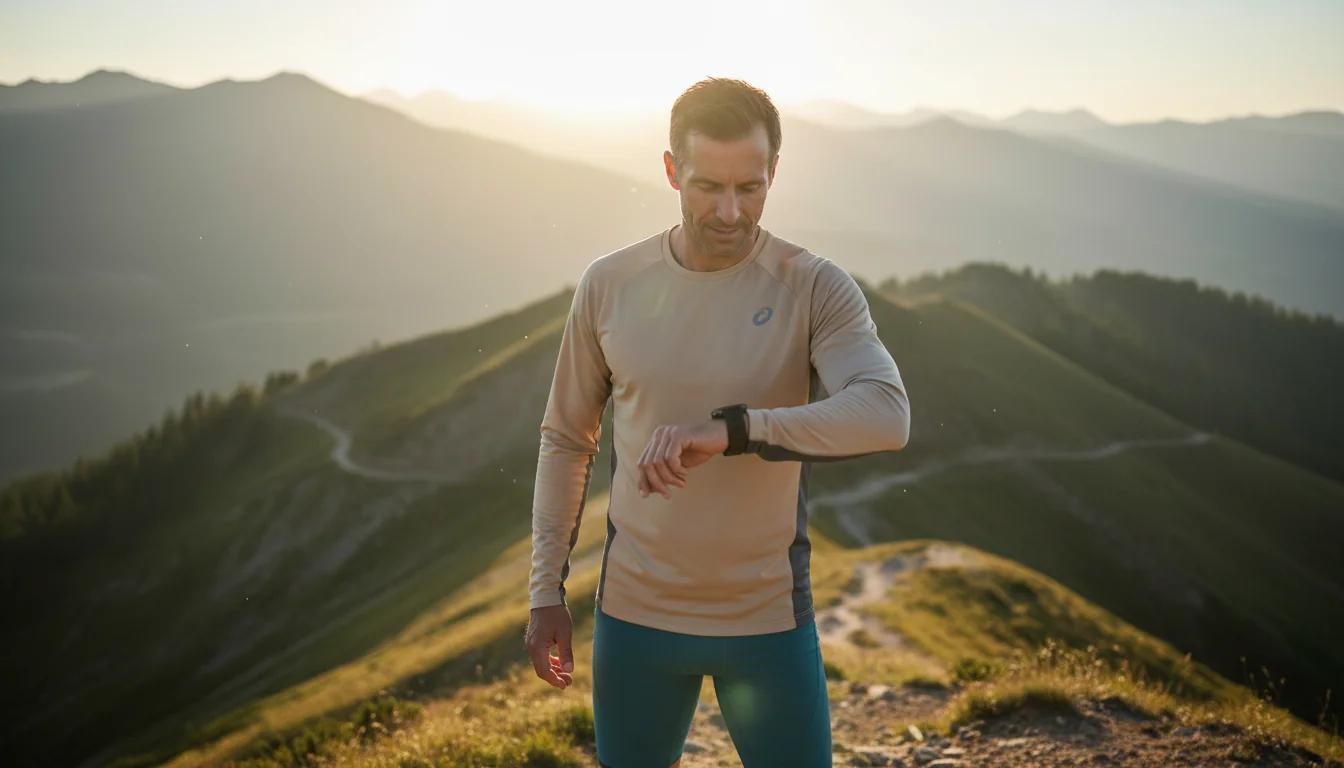
Athlete Performance
Physician-supervised performance medicine for competitive athletes — hormonal environment, iron status, VO2max, recovery biology, body composition, and injury prevention grounded in clinical evidence.
This content is for educational purposes only. It does not constitute medical advice or replace clinical consultation. All programs described require physician evaluation and individualized clinical management.
Athlete Performance Protocol: Physician-Supervised Medical Optimization
The Athlete Performance Protocol at Advanced Vitality is a comprehensive physician-supervised program that addresses every biological variable relevant to athletic performance — from the hormonal environment that determines anabolic capacity and recovery rate, to the metabolic efficiency that dictates fuel utilization and endurance, to the inflammatory and injury-repair biology that separates athletes who consistently perform from those perpetually managing setbacks.
This protocol is designed for competitive athletes at all levels — from serious recreational competitors to elite professionals. It is distinguished from generic performance medicine by specificity: every component is selected based on the individual athlete's sport demands, training history, laboratory findings, and performance goals.
Key Takeaways
Iron deficiency without anemia (ferritin < 50 ng/mL) impairs aerobic capacity through depletion of cytochrome c. A RCT confirmed iron supplementation significantly improved endurance performance in iron-depleted non-anemic women (Hinton PS et al., Journal of Nutrition, 2000).
VO2max is the most powerful predictor of cardiovascular mortality — stronger than any traditional risk factor (Myers J et al., NEJM, 2002) — and a primary performance target for endurance-focused athletes.
Testosterone deficiency is more common in high-volume training athletes than in the general population due to HPT axis suppression from training stress, caloric restriction, and sleep disruption.
Sleep extension by ~2 hours/night significantly improved sprint times, reaction time, and fatigue ratings in competitive collegiate athletes over 5–7 weeks (Mah CD et al., Sleep, 2011).
Creatine monohydrate (3–5 g/day) + resistance training: +1.37 kg additional lean mass vs. training alone (Lanhers C et al., EJSS, 2015).
All interventions in this protocol are legal, physician-prescribed, and administered for documented clinical indications — not prohibited performance enhancement.
The Five Pillars of Athlete Biology
1. Hormonal Environment
Testosterone is the primary anabolic hormone in men. In competitive athletes, testosterone deficiency is more common than in general populations due to high training volumes, caloric restriction, chronic stress, and sleep disruption. The testosterone-to-cortisol ratio is a validated monitoring tool for assessing anabolic-catabolic balance. At Advanced Vitality, testosterone therapy for athletes is prescribed only for confirmed hypogonadism per AUA criteria — not for supraphysiological enhancement.
2. Iron Status and Aerobic Capacity
Iron deficiency without anemia is the most prevalent nutritional deficiency in competitive athletes — particularly endurance athletes, women, and vegetarian/vegan athletes. Iron is required for hemoglobin (oxygen transport) and cytochrome c (electron transport). A landmark RCT (Hinton PS et al., Journal of Nutrition, 2000) demonstrated that iron supplementation in iron-depleted, non-anemic female athletes significantly improved both endurance performance and cytochrome c activity. Our performance-relevant ferritin target: > 50 ng/mL.
3. Metabolic Efficiency and VO2max
VO2max is both a direct performance predictor and a powerful longevity biomarker: a meta-analysis of 6,213 men (Myers J et al., NEJM, 2002) found VO2max was the most powerful predictor of cardiovascular mortality, stronger than any traditional risk factor. Insulin sensitivity determines the efficiency of glucose uptake, glycogen replenishment, and anabolic response to protein feeding.
4. Recovery Biology
Recovery determines whether training produces adaptation or accumulating fatigue. Sleep extension research is compelling: Mah CD et al. (Sleep, 2011) found that extending sleep by ~2 hours/night over 5–7 weeks significantly improved sprint performance, reaction time, and subjective fatigue ratings in competitive collegiate athletes. Sleep debt is a performance deficit that can be measurably corrected.
5. Injury Prevention and Connective Tissue
The Athlete Performance Protocol addresses injury prevention biologically: ensuring adequate collagen synthesis capacity (hydrolyzed collagen 10–15 g + 500 mg vitamin C before loading, per Shaw G et al., AJCN, 2017), optimizing hormonal status, correcting inflammatory burden, and addressing vitamin D status.
Athlete Performance Assessment
| Component | Key Measures | Performance Relevance |
|---|---|---|
| Hormonal panel | Total/free testosterone, SHBG, LH, FSH, IGF-1, cortisol curve, DHEA-S, thyroid | Anabolic capacity, recovery, overtraining detection |
| Hematological | CBC, ferritin, transferrin saturation, B12, folate | Oxygen delivery; ferritin target >50 ng/mL |
| Metabolic | Fasting insulin, HOMA-IR, HbA1c, lipid panel, uric acid | Fuel utilization efficiency, adaptation |
| Inflammatory | hs-CRP, IL-6, TNF-alpha | Recovery speed, injury risk, overtraining |
| Nutritional | Vitamin D, omega-3 index, RBC magnesium, zinc | Muscle function, collagen, mitochondrial efficiency |
| Functional | VO2max, DEXA body composition, grip strength | Performance baseline, injury screening |
What This Protocol Is Not
The Athlete Performance Protocol explicitly does not include: testosterone therapy for athletes with normal testosterone levels seeking supraphysiological enhancement; any substance on the WADA prohibited list for performance enhancement purposes; exogenous growth hormone for non-deficient athletes; or any intervention that would violate applicable anti-doping rules. All athletes in tested sports are instructed to disclose all treatments to their sports governing body and confirm compliance. The protocol corrects biology — it does not exceed it.
Frequently Asked Questions
Scientific References
- Hinton PS, et al. “Iron supplementation improves endurance after training in iron-depleted, nonanemic women.” Journal of Nutrition. 2000;130(3):475–482.
- Myers J, et al. “Exercise capacity and mortality among men referred for exercise testing.” NEJM. 2002;346(11):793–801.
- Mah CD, et al. “The effects of sleep extension on the athletic performance of collegiate basketball players.” Sleep. 2011;34(7):943–950.
- Lanhers C, et al. “Creatine supplementation and lower limb strength performance.” European Journal of Sport Science. 2015;15(1):9–16.
- Shaw G, et al. “Vitamin C-enriched gelatin supplementation before intermittent activity augments collagen synthesis.” AJCN. 2017;105(1):136–143.
- American Urological Association. “Testosterone Deficiency Guideline.” 2022.
- Morton RW, et al. “A systematic review of the effect of protein supplementation on resistance training-induced gains.” BJSM. 2018.
More in Elite Protocols
View allExecutive Longevity
Advanced cardiovascular risk, hormonal axes, and cognitive testing for senior leaders.
Athlete Performance
You are hereHormonal environment, iron status, VO2max, recovery biology for competitive athletes.
Biohacker Optimization
Biological age assessment, NAD+ optimization, and senolytic protocols.
Schedule a consultation to discuss your comprehensive performance assessment.